


AWD vs. 4WD for Winter Driving
AWD or 4WD for Snowy Roads? A Plain-English Winter Guide
The first real snowfall of the season always brings the same question to our showroom. Do you need all-wheel drive, four-wheel drive, or neither one? Both systems can send power to all four wheels, but they work in very different ways. Your best pick comes down to where you drive, what you haul, and how deep the snow piles up on your street.
- All-wheel drive works on its own and fits plowed roads, slushy commutes, and surprise ice.
- Four-wheel drive is controlled by the driver and built for deep snow, unplowed back roads, and rough trails.
- Winter tires give you the grip to stop and turn on snow, so plan on them with either drivetrain.
How All-Wheel Drive Handles Slick Roads
Think of AWD as the hands-off option. Sensors watch for wheel slip, and the system shifts power toward the tires that still have grip. You’ll rarely feel it working. Spin your tires pulling away from a light on a snowy morning, and that’s the moment AWD steps in.
Many AWD systems spend most of their time powering one axle and bring in the other only when they sense slip. This setup saves fuel on dry days and still gives you extra bite once the weather turns ugly.
Where Four-Wheel Drive Pulls Ahead
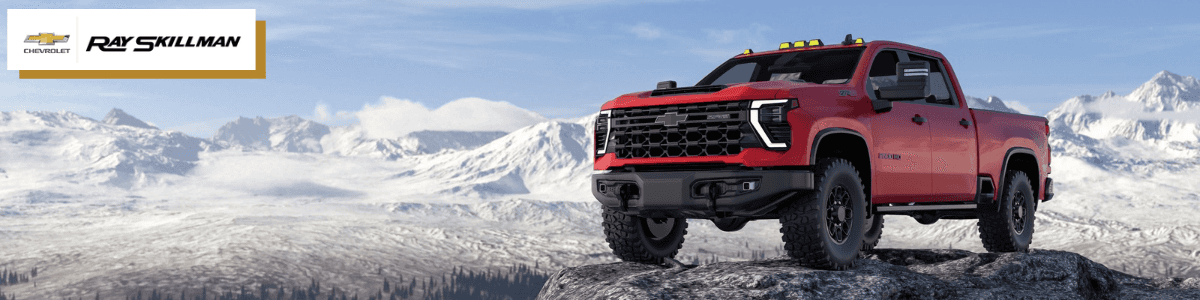
Four-wheel drive is the heavy-duty cousin. Traditional part-time systems run in two-wheel drive until you engage the front axle yourself. Many also add a low-range gear that multiplies torque, so the vehicle can crawl through drifts, mud, or a snowed-in field at a slow, steady pace. You’ll mostly find it on pickups and truck-based SUVs built to tow and work.
There’s a tradeoff. Most part-time 4WD systems shouldn’t stay engaged on dry pavement because the front and rear axles are locked together and can’t turn at different speeds in a tight corner. Leave it on too long, and you’ll get binding and extra wear. You switch it on when the road calls for it and switch it off once the pavement clears.
Picking a System for an Indiana Winter
Picture a typical January in central Indiana. Main roads get plowed and salted fast, but side streets stay slick and the hill out of your subdivision turns into a sledding run. For that kind of driving, Motor1 points out that drivers who want extra traction for the odd rainy or snowy commute are usually better off with AWD than 4WD.
4WD earns its keep when the snow gets serious. Do you live at the end of a long county road that’s last on the plow route? Tow a trailer or clear your own driveway with a plow? Head out to snowy trails on the weekend? If any of those sound like you, low range and tougher hardware are worth a few extra trips to the pump.
Why Your Tires Matter Just as Much
AWD and 4WD both help you get moving from a stop. Braking and steering come down to your tires. Consumer Reports spent weeks testing on its snow-covered track and found that all-wheel drive didn’t improve braking or certain kinds of cornering. Winter tires made the bigger difference.
In one Consumer Reports braking test from 60 mph, an all-wheel-drive compact SUV on winter tires stopped in less than half the distance it needed on its original all-season tires. The group recommends four winter tires for any vehicle that sees regular snow, even ones with AWD.
Chevrolet Trailblazer AWD Features by Trim Level
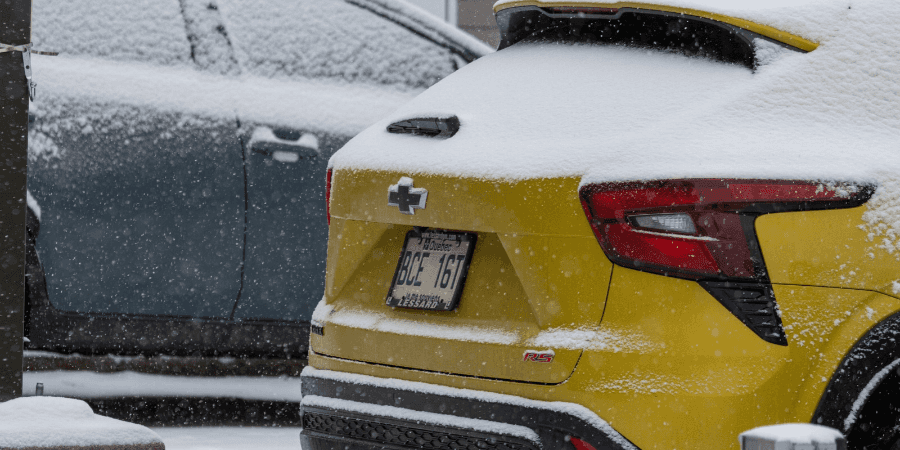
If a small SUV fits your daily routine, a Chevrolet Trailblazer AWD model gives you all-weather traction in a size that’s easy to park downtown. The chart below shows how the four trims compare based on what chevrolet.com lists as standard.
| Feature | LS | LT | ACTIV | RS |
| Standard Engine | 1.2L Turbo, 137 hp | 1.2L Turbo, 137 hp | 1.3L Turbo, 155 hp | 1.3L Turbo, 155 hp |
| All-Wheel Drive | Available | Available | Available | Available |
| Wheels | 17-inch Silver-painted aluminum | 17-inch High Gloss Black machined aluminum | 17-inch High Gloss Black machined aluminum | 19-inch High Gloss Black machined aluminum |
| Remote Vehicle Starter | – | Standard | Standard | Standard |
| Keyless Open and Start | – | Standard | Standard | Standard |
| Heated Steering Wheel | – | – | – | Standard, wrapped flat-bottom |
| Off-Road Suspension Tuning and Skid Plate | – | – | Standard | – |
| Chevy Safety Assist | Standard | Standard | Standard | Standard |
| 11-Inch Diagonal Touchscreen | Standard | Standard | Standard | Standard |
A dash means chevrolet.com doesn’t list that feature as standard on the trim, though it may be offered as an option.
Matching the Drivetrain to Your Winter Routine
Most city and suburban drivers will be happy with AWD and a good set of winter tires. If your winter includes unplowed rural roads, heavy towing, or off-road trips, 4WD is worth a close look. Whichever way you lean, take a test drive on a cold day, ask how the system engages, and set aside some budget for winter tires. Get those three things right and you’ll head into the next storm ready for it.
Find Your Winter-Ready Chevy at Ray Skillman Chevrolet
We’d love to help you settle the AWD or 4WD question in person. At Ray Skillman Chevrolet, you can compare an all-wheel-drive crossover like the Trailblazer with the big Silverado lineup that earned us the name Indy’s Largest Silverado Dealer. Our team will walk you through how each system works, with no pressure and no rush. Once you’ve picked your ride, our Certified Service technicians can check your battery, wiper blades, and brakes before the cold hits. Our parts team also carries tires from brands like Michelin, Bridgestone, and Goodyear, so finding the right winter setup is a breeze. Stop by and take a test drive before the next storm rolls in.
0 comment(s) so far on AWD vs. 4WD for Winter Driving